Exploring Semiconductor Components for Modern Manufacturing
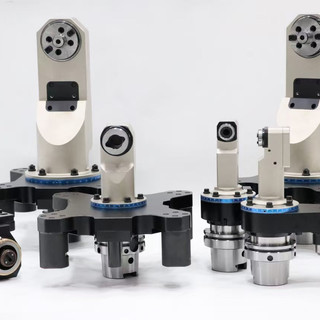
In today's rapidly evolving technological landscape, semiconductor components play a crucial role in modern manufacturing. These tiny yet powerful devices are the backbone of countless applications, from consumer electronics to industrial machinery. Understanding their significance and functionality can provide valuable insights into the future of manufacturing.
What Are Semiconductors?
Semiconductors are materials that have electrical conductivity between that of conductors and insulators. They are essential for controlling electrical current in various devices. The most common semiconductor material is silicon, but others like germanium and gallium arsenide are also used.
Key Characteristics of Semiconductors
Conductivity: Semiconductors can conduct electricity under certain conditions, making them ideal for electronic components.
Doping: The process of adding impurities to a semiconductor to change its electrical properties is known as doping. This allows for the creation of p-type and n-type semiconductors, which are essential for forming diodes and transistors.
Temperature Sensitivity: The conductivity of semiconductors can change with temperature, which is a critical factor in their applications.
The Role of Semiconductors in Manufacturing
Semiconductors are integral to various manufacturing processes. They enable the production of electronic devices that are essential for automation, data processing, and communication. Here are some key areas where semiconductors are utilized:
1. Automation and Control Systems
In modern manufacturing, automation is key to improving efficiency and reducing costs. Semiconductors are used in:
Programmable Logic Controllers (PLCs): These devices control machinery and processes in manufacturing plants.
Sensors: Semiconductor-based sensors monitor various parameters, such as temperature, pressure, and humidity, ensuring optimal operating conditions.
2. Robotics
Robots are increasingly used in manufacturing for tasks ranging from assembly to quality control. Semiconductors enable:
Microcontrollers: These are the brains of robotic systems, allowing for precise control and operation.
Vision Systems: Semiconductor components are used in cameras and image processing units, enabling robots to "see" and interpret their environment.
3. Communication Systems
Effective communication between machines and systems is vital in a manufacturing environment. Semiconductors facilitate:
Wireless Communication: Components like RF chips enable wireless data transfer between devices.
Networking Equipment: Semiconductors are essential in routers and switches that connect various parts of a manufacturing facility.
Types of Semiconductor Components
Understanding the different types of semiconductor components is essential for grasping their applications in manufacturing. Here are some of the most common types:
1. Diodes
Diodes are semiconductor devices that allow current to flow in one direction only. They are used for:
Rectification: Converting alternating current (AC) to direct current (DC).
Signal Demodulation: Extracting information from modulated signals.
2. Transistors
Transistors are fundamental building blocks of modern electronic devices. They can amplify or switch electronic signals and are used in:
Amplifiers: Boosting signal strength in audio and radio applications.
Switching Devices: Controlling the flow of electricity in circuits.
3. Integrated Circuits (ICs)
ICs are assemblies of multiple semiconductor devices in a single package. They are used in:
Microprocessors: The central processing units of computers and other devices.
Memory Chips: Storing data in various electronic devices.
4. Sensors
Semiconductor sensors convert physical phenomena into electrical signals. They are used in:
Temperature Sensors: Monitoring heat levels in manufacturing processes.
Pressure Sensors: Ensuring safe operating conditions in machinery.
The Impact of Semiconductor Technology on Manufacturing
The advancements in semiconductor technology have significantly impacted manufacturing processes. Here are some of the key benefits:
1. Increased Efficiency
Semiconductors enable automation and real-time monitoring, leading to more efficient manufacturing processes. For example, smart factories utilize IoT devices powered by semiconductors to optimize production schedules and reduce downtime.
2. Enhanced Quality Control
With the integration of semiconductor-based sensors and vision systems, manufacturers can ensure higher quality standards. Automated inspection systems can detect defects in real-time, reducing waste and improving product quality.
3. Cost Reduction
The use of semiconductor technology can lead to significant cost savings. Automation reduces labor costs, while improved efficiency minimizes material waste. Additionally, the compact size of semiconductor components allows for smaller and more energy-efficient devices.
Challenges in Semiconductor Manufacturing
Despite the benefits, the semiconductor industry faces several challenges:
1. Supply Chain Disruptions
Global events, such as the COVID-19 pandemic, have highlighted vulnerabilities in the semiconductor supply chain. Manufacturers must develop strategies to mitigate risks and ensure a steady supply of components.
2. Technological Complexity
As semiconductor technology advances, the complexity of manufacturing processes increases. This requires continuous investment in research and development to keep up with the latest innovations.
3. Environmental Concerns
The production of semiconductors can have environmental impacts, including waste generation and energy consumption. Manufacturers are increasingly focusing on sustainable practices to minimize their ecological footprint.
Future Trends in Semiconductor Manufacturing
The future of semiconductor manufacturing is promising, with several trends shaping the industry:
1. Miniaturization
As devices become smaller and more powerful, the demand for miniaturized semiconductor components will continue to grow. This trend is evident in the development of smaller microprocessors and memory chips.
2. Advanced Materials
Researchers are exploring new materials, such as graphene and silicon carbide, to enhance semiconductor performance. These materials may lead to faster, more efficient devices.
3. Artificial Intelligence Integration
The integration of AI in semiconductor manufacturing processes can optimize production and improve quality control. AI algorithms can analyze data from sensors and make real-time adjustments to manufacturing processes.
4. 5G Technology
The rollout of 5G technology will drive demand for advanced semiconductor components. These components will be essential for supporting faster data transmission and improved connectivity in various applications.
Conclusion
Semiconductor components are at the heart of modern manufacturing, enabling automation, enhancing quality control, and driving efficiency. As technology continues to evolve, the importance of semiconductors will only increase. Manufacturers must stay informed about the latest trends and challenges in the semiconductor industry to remain competitive. By embracing innovation and sustainability, they can harness the full potential of semiconductor technology for a brighter future.



Comments